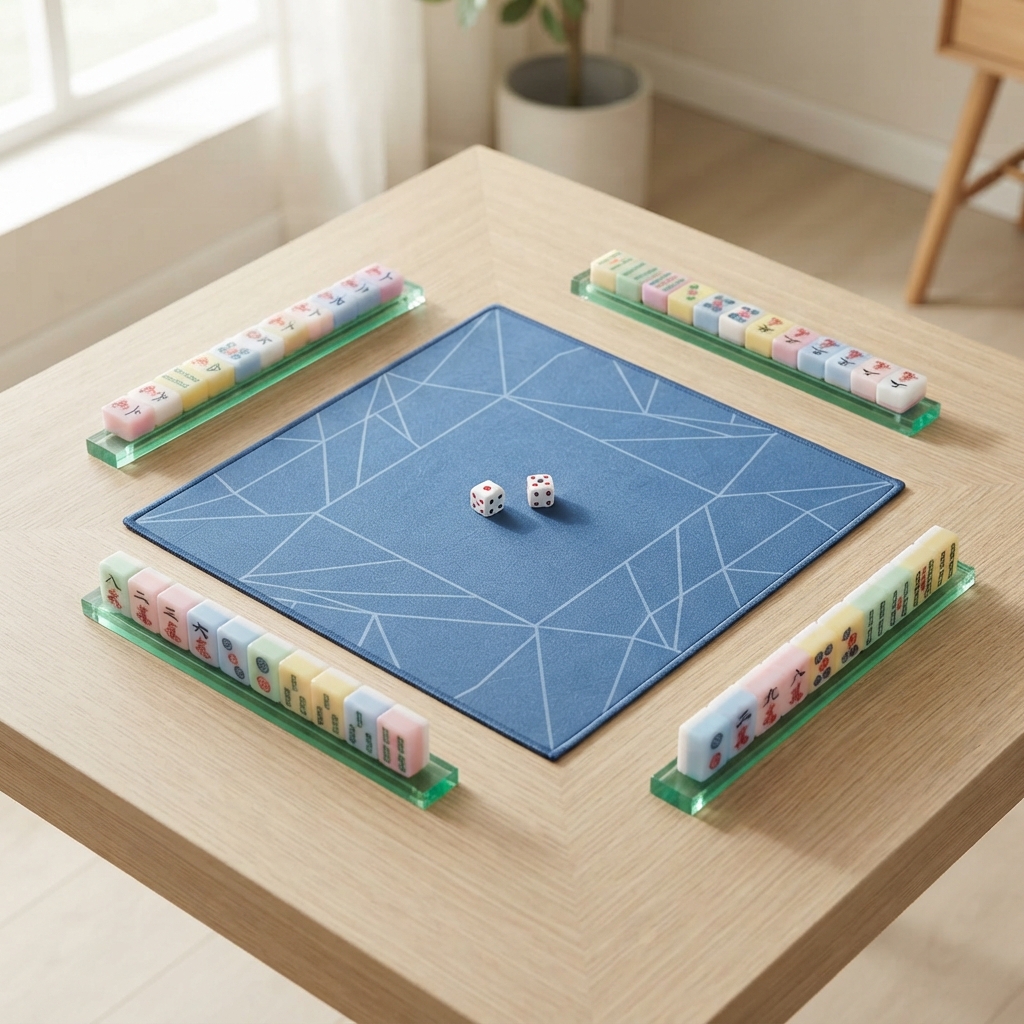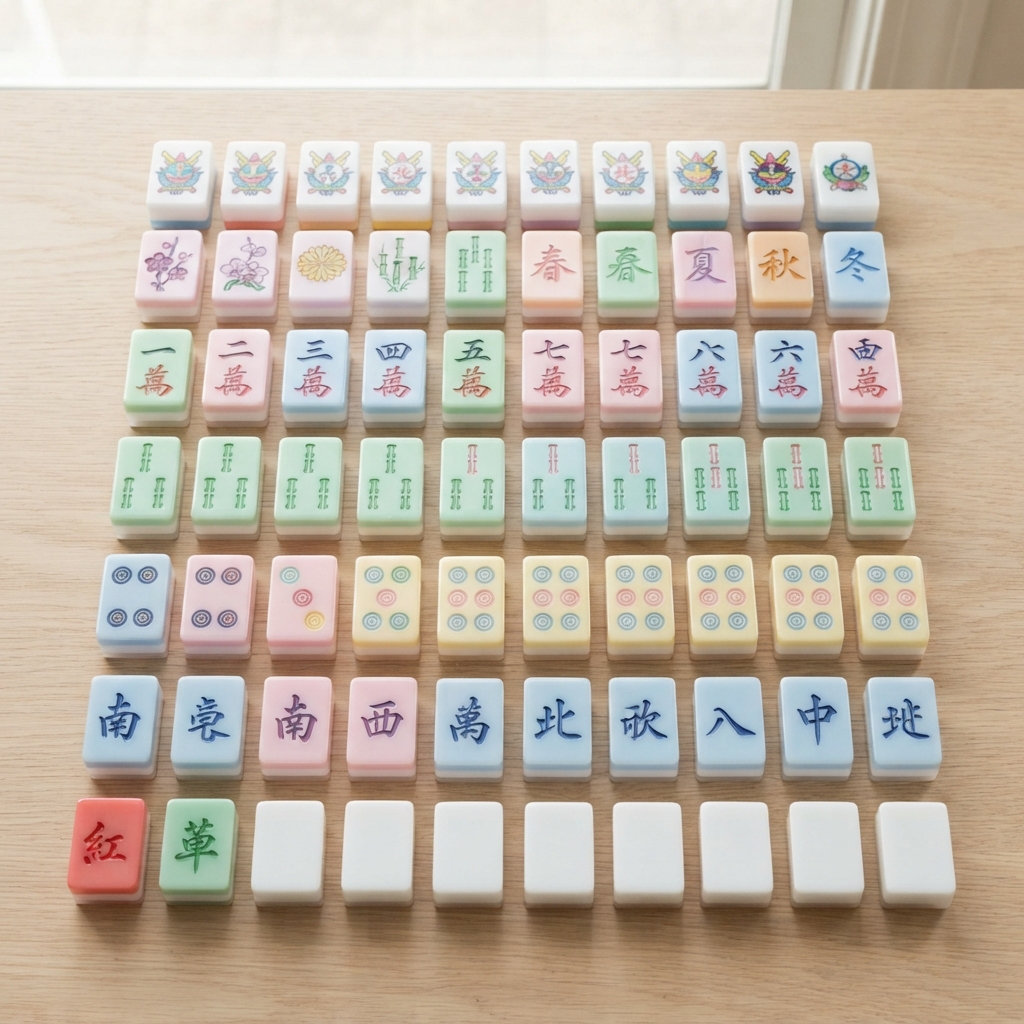

An organized American mahjong set makes every part of game night easier. Players can confirm that the set is complete, build the walls more efficiently, locate special tiles quickly, and pack everything away without losing small accessories. A simple routine for sorting and storage also helps protect the tiles and keeps the set ready for the next table.
Start With a Complete Tile Count
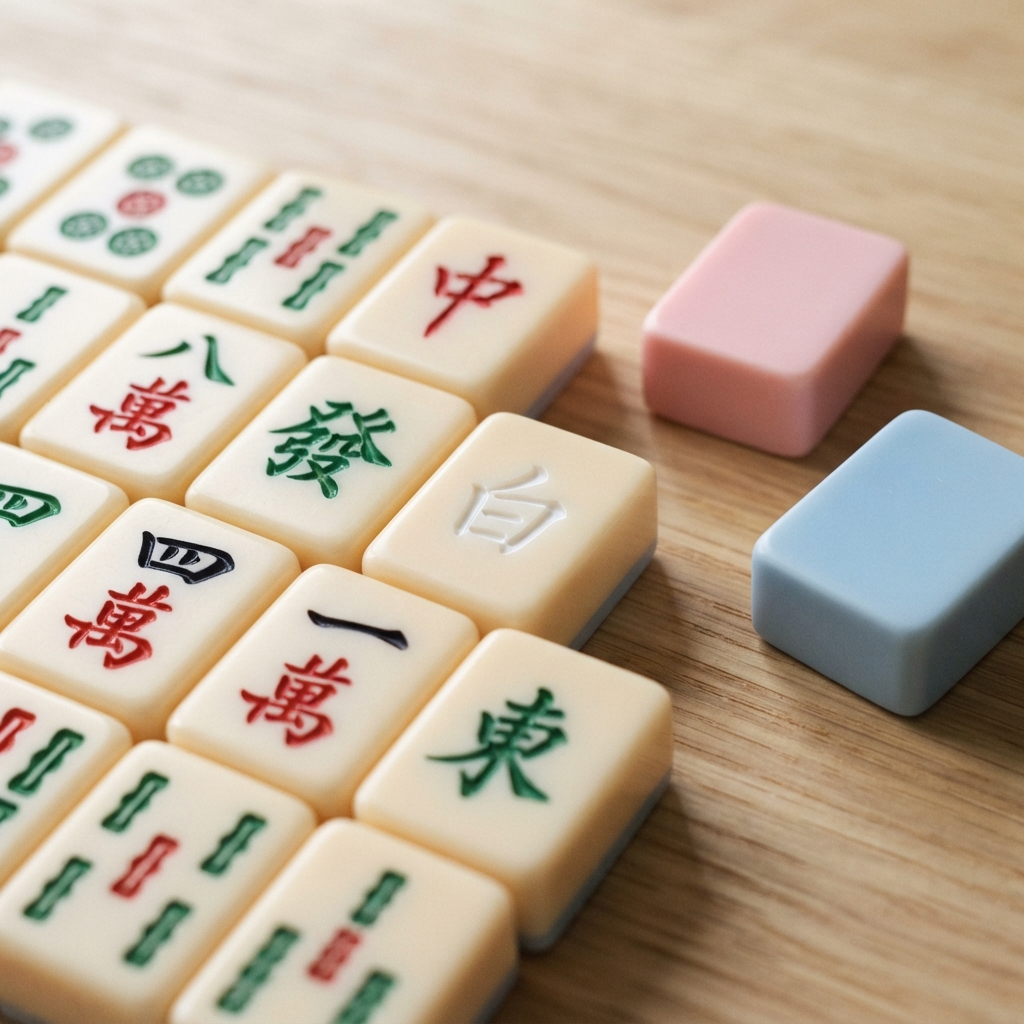
Before organizing American mahjong tiles, check the product specifications and the rules your group uses. Lay the tiles face up on a clean, padded surface and separate them by family. Count each group carefully, including jokers and flowers, because these are easy to overlook when artwork varies between designs.
- Group the numbered suits separately.
- Place winds and dragons in their own rows.
- Collect flowers, jokers, and any spare tiles.
- Set racks, pushers, dice, and other accessories beside the tiles.
This count is especially useful when opening a new set, teaching new players, or returning home after a game played elsewhere.
Sort Tiles for Fast Recognition
Arrange each suit in numerical order, then sort honor and special tiles into consistent groups. The goal is not to memorize every design at once. It is to create a visual system that makes missing or misplaced pieces obvious. Clear organization also helps beginners compare unfamiliar artwork with the symbols used on a reference card.
If your set includes extra tiles, keep them in a labeled compartment rather than mixing them into the active game set. This prevents accidental overcounting and makes replacements easy to find.
Prepare the Table Before Players Arrive
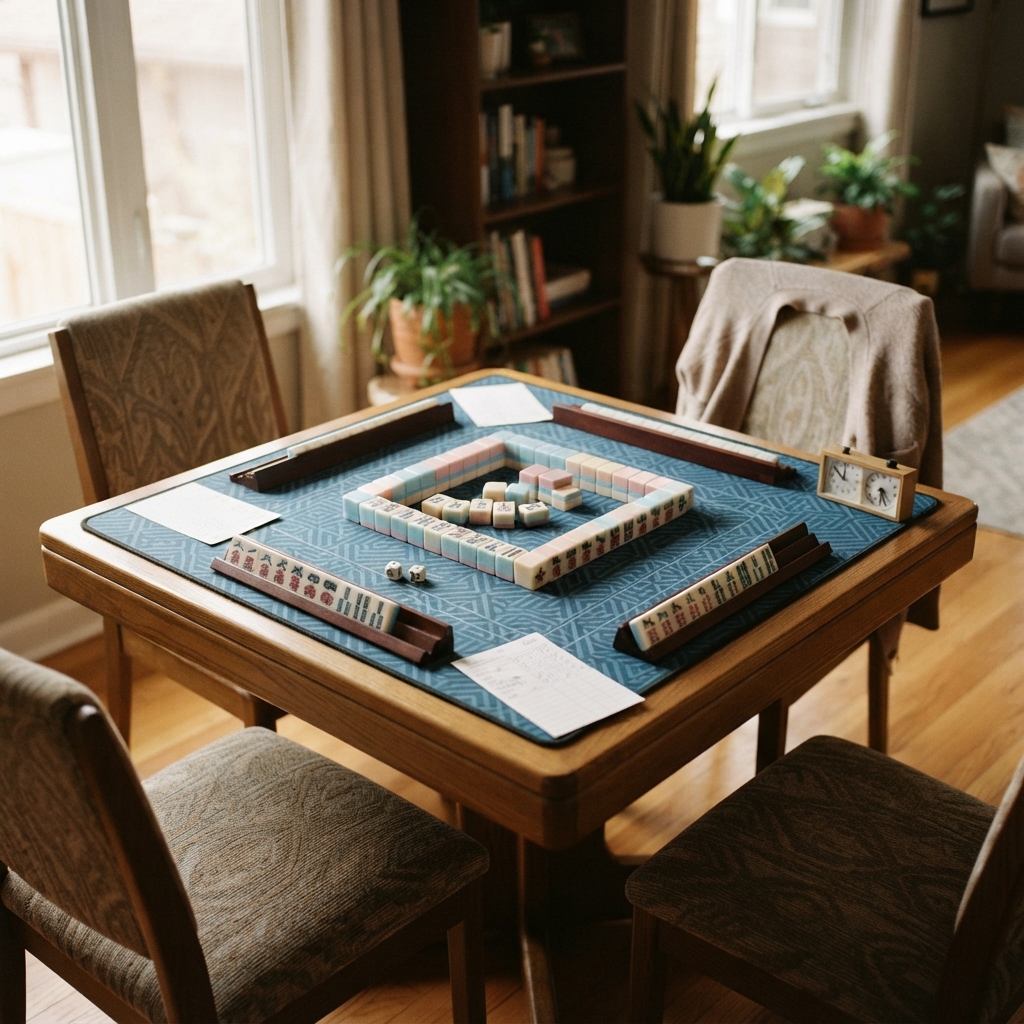
A smooth mahjong game setup begins with enough space for four racks, tile walls, the reference card, and accessories. Place racks evenly around the table and keep pushers with their matching racks. Put dice and shared items where everyone can reach them without leaning across the playing area.
- Clear and protect the surface. Use a clean mat or cloth that cushions tiles and improves sound.
- Distribute the racks. Check that every player has the same basic equipment.
- Shuffle all active tiles. Keep spare pieces outside the play area.
- Confirm the rules. Make sure the group is using the same card and house conventions.
Use Storage That Matches the Set
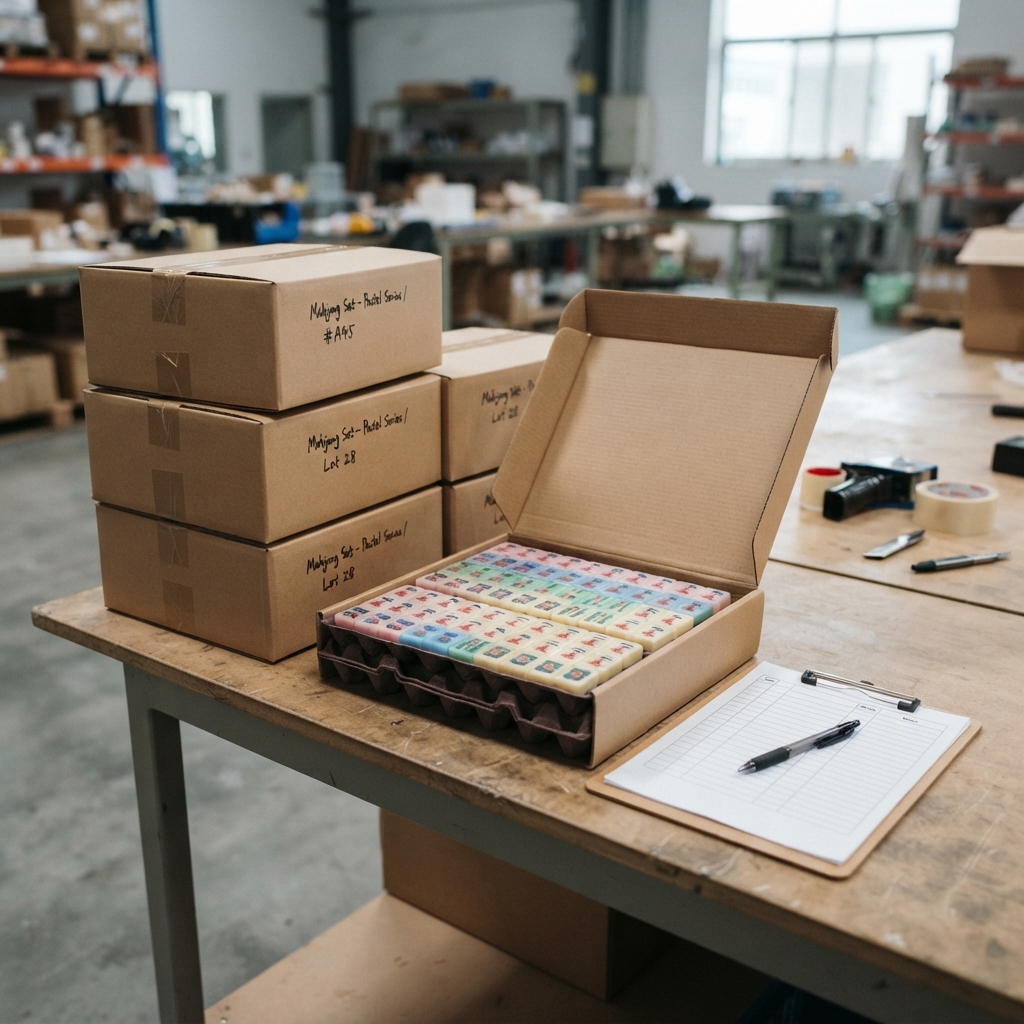
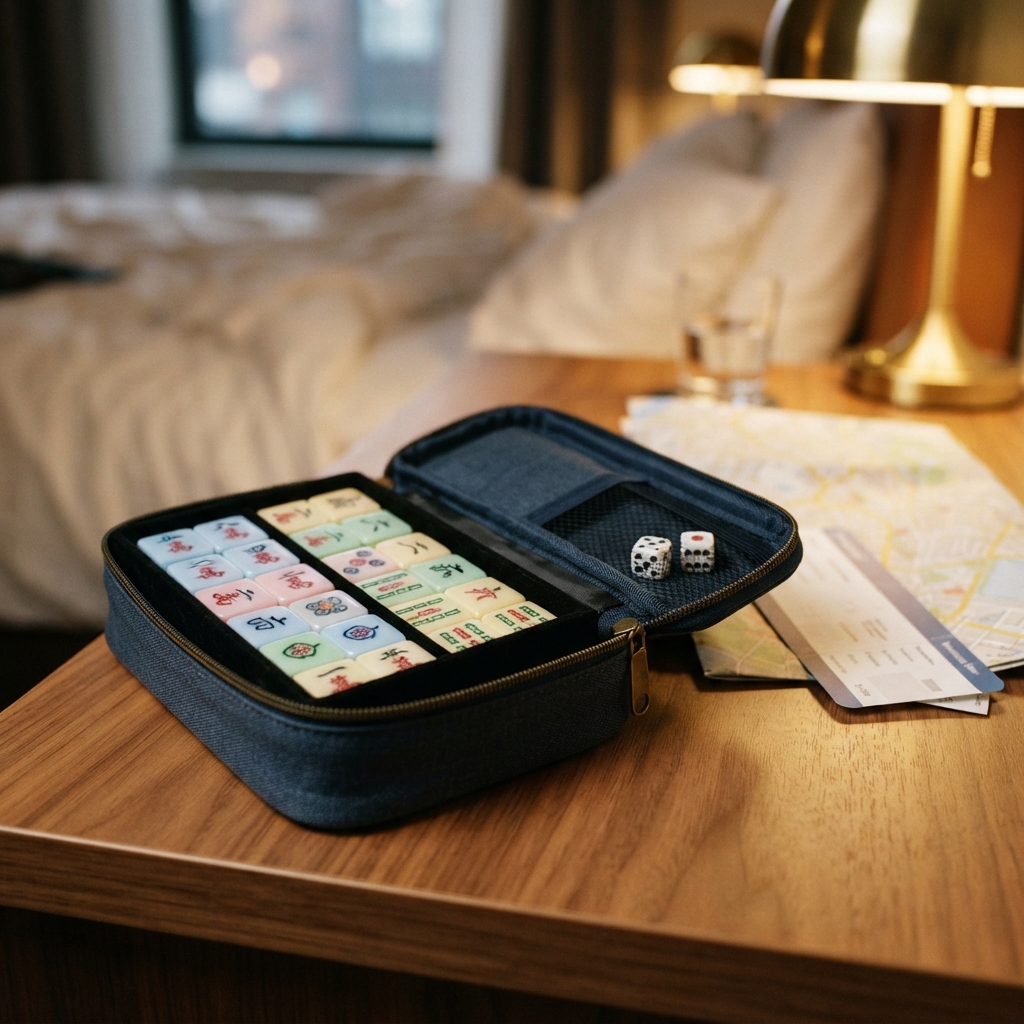
Good mahjong set storage keeps tiles from rubbing, shifting, or pressing against delicate accessories. Use trays, fitted compartments, or soft bags that match the tile dimensions. Avoid forcing pieces into a tight container, and keep heavy items from resting on racks or pushers.
Store the reference card flat and dry. Small items such as dice should go into a closed pouch or compartment so they cannot disappear during transport. For a colorful or highly detailed set, consistent tray order also makes the design feel more polished each time the case is opened.
Clean and Inspect After Play
Mahjong tile care is easiest when it becomes part of the packing routine. Wipe tiles with a soft, dry cloth and follow the maker's instructions before using any cleaner. Check for moisture, loose decorations, or damaged storage components. Count the set again when a game has been played away from home.
A Repeatable JOKKOL Routine
For easier play, use the same sequence every time: count, sort, set up, play, inspect, and store. A repeatable system reduces preparation time and gives players confidence that every tile and accessory is where it belongs. With an organized American mahjong set, the table feels calmer and the group can focus on the game itself.