How to Evaluate an American Mahjong Manufacturer
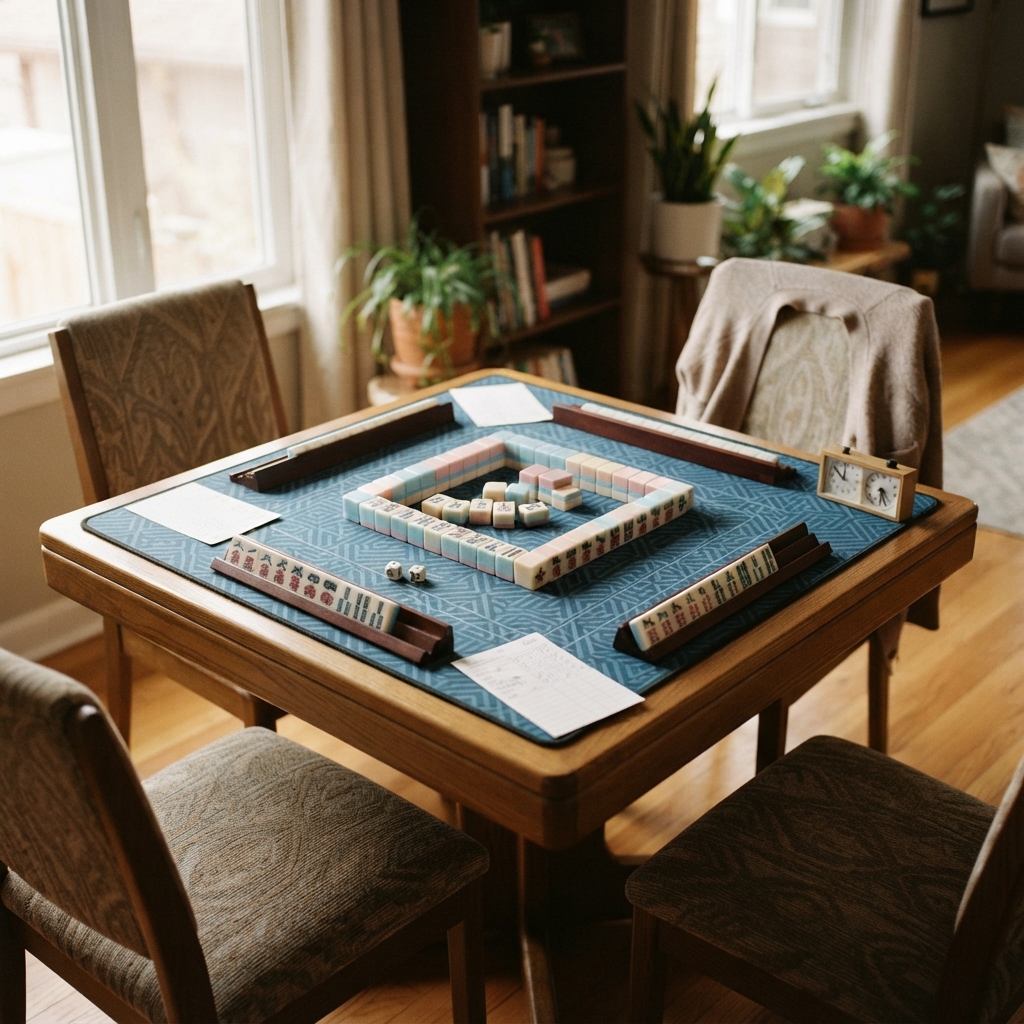
Choosing an American Mahjong manufacturer should be an evidence exercise, not a logo or catalog exercise. Compare the company identity, product scope, development process, sample controls, quality records, customization boundaries, commercial terms and communication workflow. Ask for documents or samples that match your project, score what is verified, and mark every unconfirmed claim as an open item before approving a purchase order. American Mahjong manufacturer.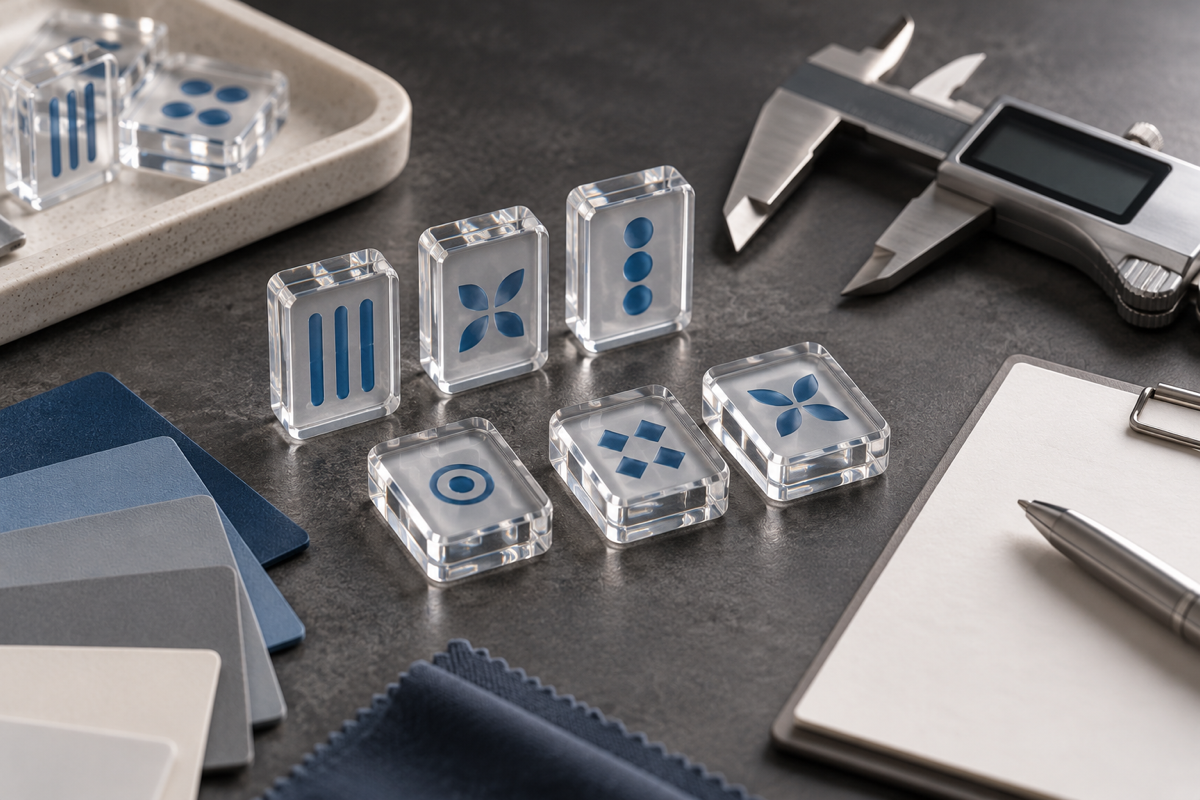
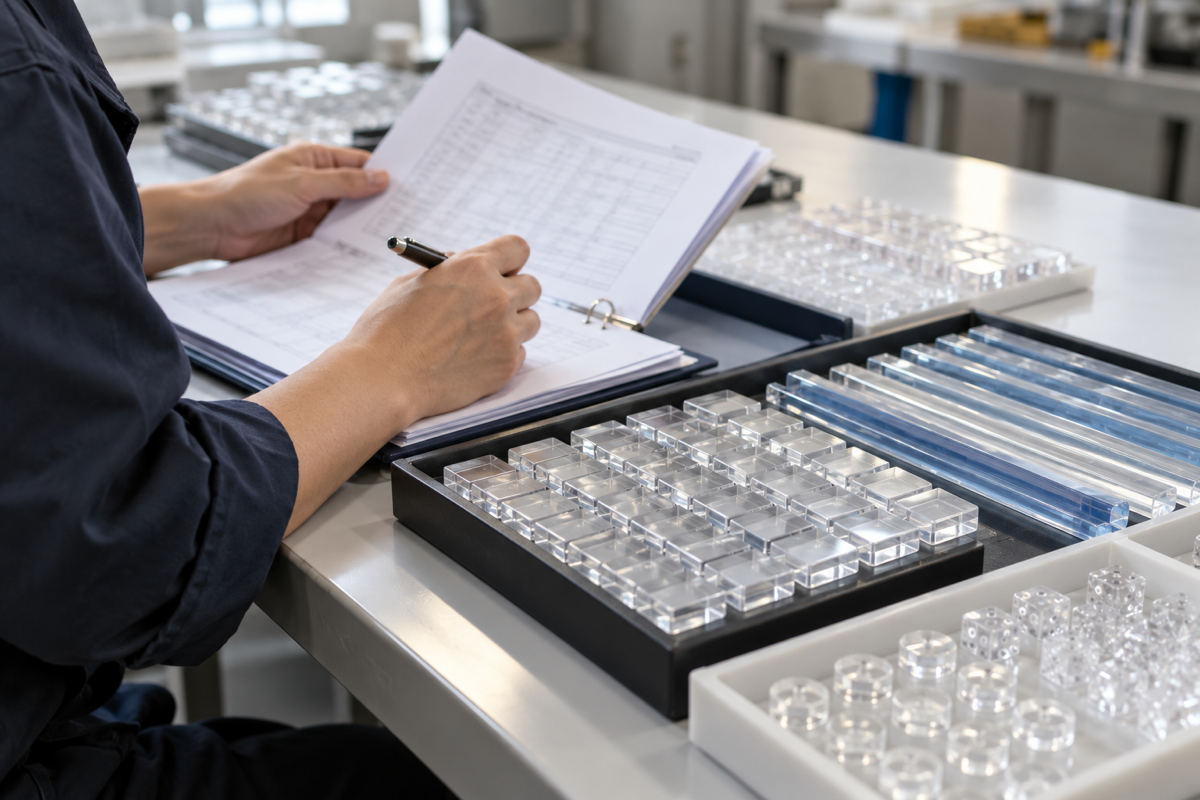
Start with the supplier identity and product scope
Before discussing color or packaging, establish who you are actually evaluating. Record the public brand name, legal or operating name, contact details, business location, product categories and the buyer types the supplier says it serves. This prevents a common mistake: treating a polished retail storefront as proof of a manufacturing relationship.
JOKKOL's public About page presents the JOKKOL brand alongside Shenzhen Wenwei Technology Co., Ltd. and describes the business as a one-stop acrylic Mahjong and accessories solution provider. The same page publicly states more than 20 years of manufacturing experience. Those are useful starting facts, but they are not a substitute for a buyer's legal, factory or production review.
Create an identity record with these fields:
| Field | What to record | What to ask for when needed |
|---|---|---|
| Public brand | The name shown on the website, quotation and sample label | Confirmation of the contracting and invoicing entity |
| Operating or legal name | The name shown in company materials | Registration or contracting documents, subject to local law and confidentiality |
| Location | The public contact location | Whether the address is an office, showroom, warehouse or production site |
| Product scope | Sets, tiles, racks, pushers, dice, mats, rulebooks, storage and custom products | Current SKU list, active materials and which steps are made in-house |
| Buyer fit | Brands, distributors, wholesalers, retailers and e-commerce sellers | Relevant project references or an explanation of the proposed workflow |
Test the manufacturing claim with evidence
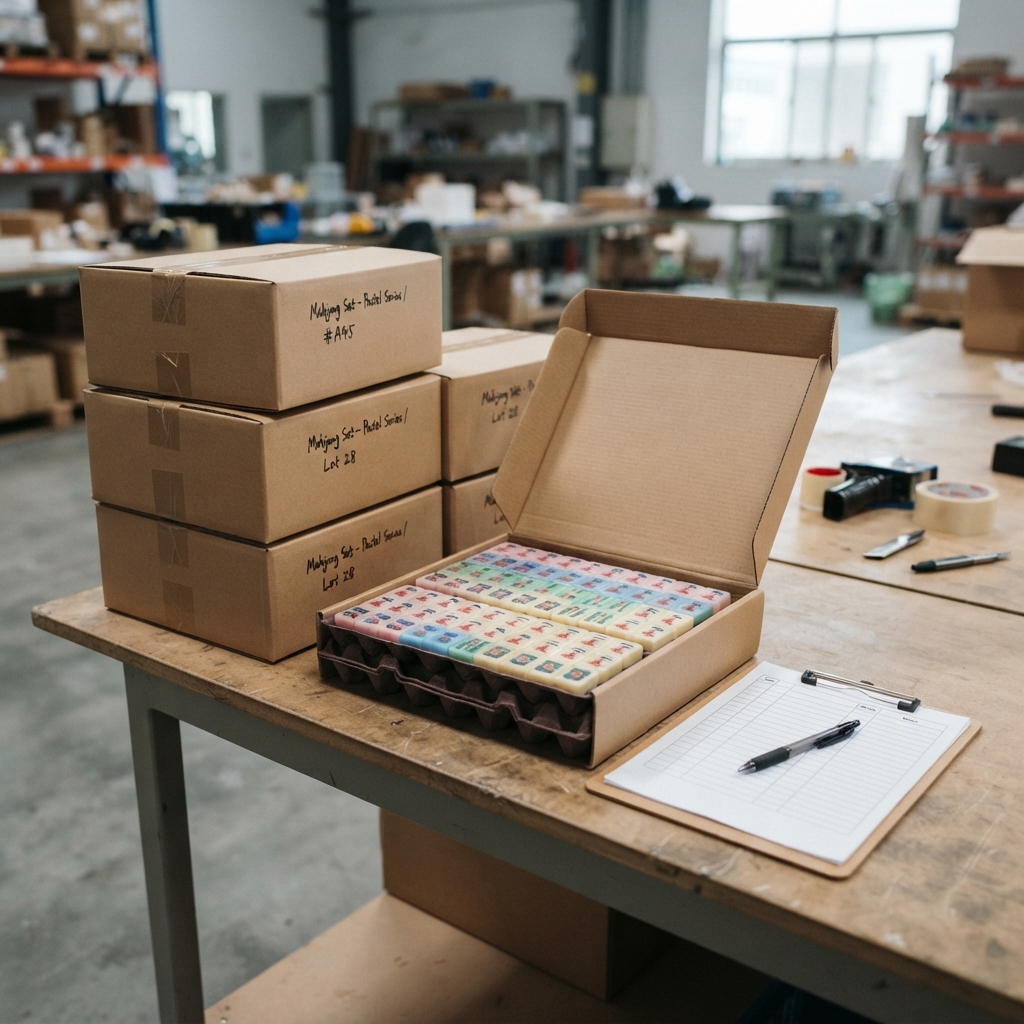
An experienced supplier should be able to explain how a project moves from specification to sample, production, inspection, packing and shipment. The explanation should be specific enough for you to identify inputs, handoffs and records. Avoid accepting broad words such as “factory,” “capacity” or “quality” without asking what evidence supports them.
Use the following audit questions:
- Which steps are performed by the supplier, and which are performed by approved partners?
- What information is locked before sampling: tile dimensions, finish, print method, accessories, packaging and destination market?
- Which records can be shared for a comparable project, with customer-sensitive information removed?
- How are changes to material, artwork, tooling, packaging or suppliers reviewed?
- Who owns the approved sample, artwork files, molds and production records?
The JOKKOL site describes a capability chain that includes design, development, prototyping, manufacturing, packaging and logistics. It also lists OEM services such as custom logo printing, private-label products, customized packaging and product personalization, plus ODM services such as original product development, custom mold creation, artwork and packaging design, and concept-to-production support. Treat those statements as a scope to discuss. Ask the project owner to confirm which options fit your product, quantity, artwork and timeline.
Review the product range against your project
The JOKKOL product directory publicly groups its range into Mahjong, Mahjong Dice, Gaming Mats, Rulebooks, and Mahjong Racks & Pushers. A supplier audit should go one level deeper than category names. Map each required item to a specification and an acceptance method.
| Requirement | Specification to define | Evidence or sample check |
|---|---|---|
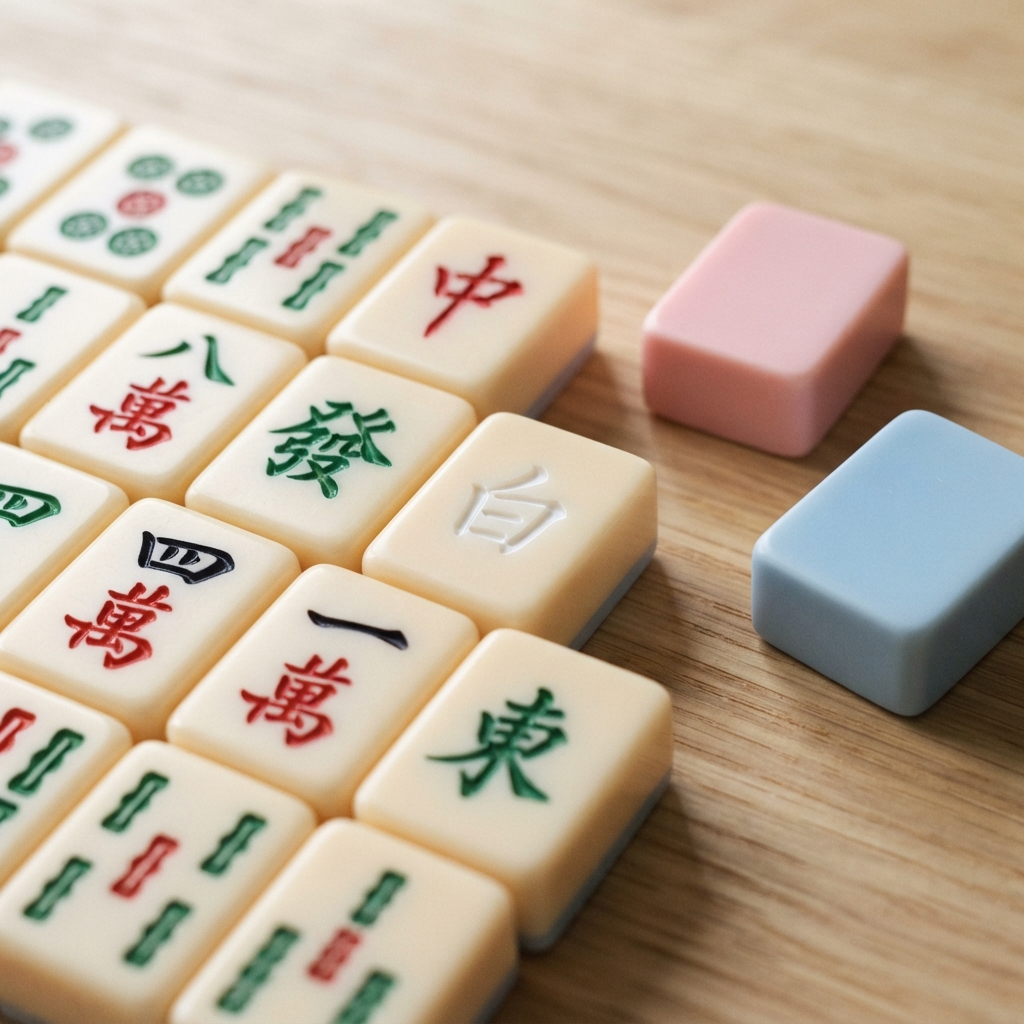
| Playing tiles | Version, count, dimensions, material, face treatment and back design | Count a physical sample; measure the agreed dimensions; inspect edges and print alignment |
| Jokers or special tiles | Quantity, artwork ownership, identification and replacement plan | Confirm the approved artwork and compare the sample to the specification |
| Racks and pushers | Fit, stability, finish, pack quantity and compatibility | Load the agreed tiles, check movement and inspect contact surfaces |
| Dice and accessories | Quantity, color, material and included components | Match the packing list and inspect each accessory category |
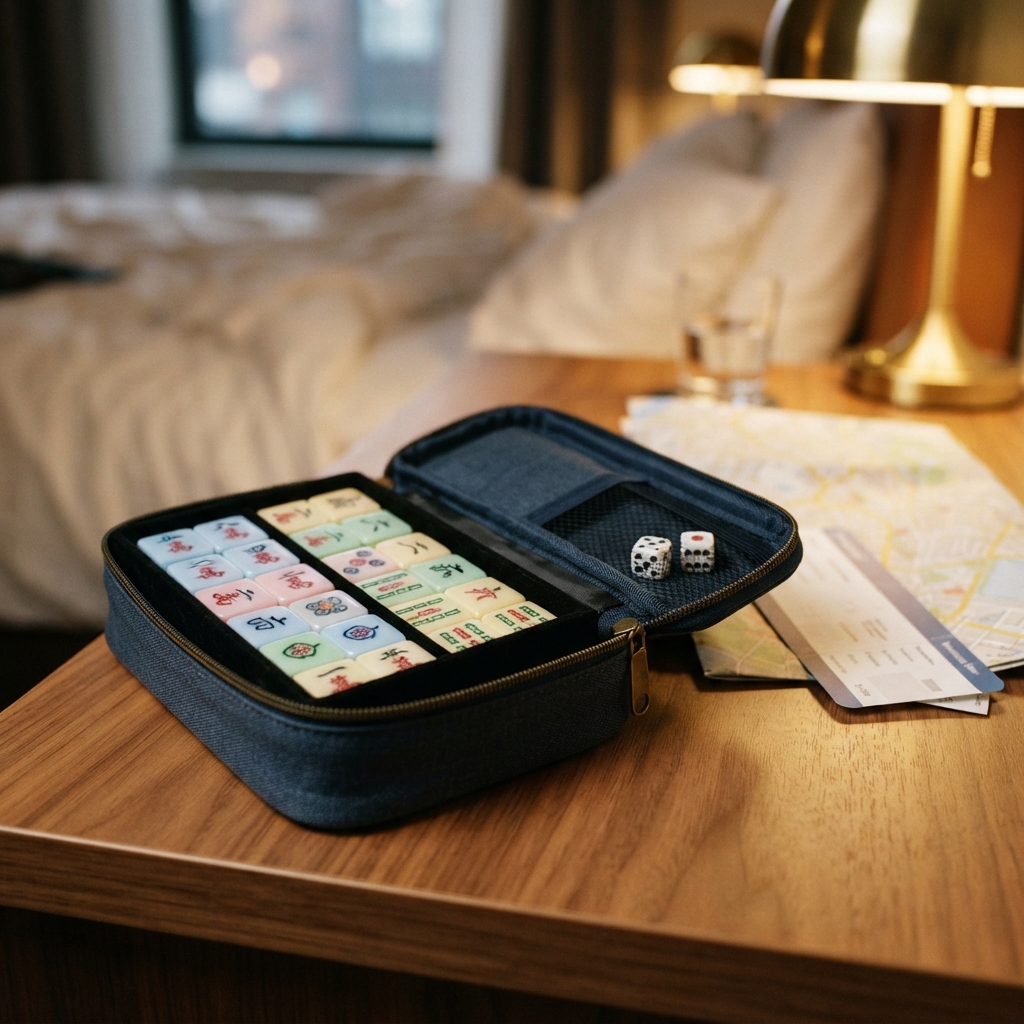
| Storage and packaging | Box type, insert, protection, labels, barcode and destination language | Review a packaging mock-up or approved sample, not just a rendered image |
This worksheet also keeps consumer and B2B conversations separate. A retail page can show a product people can buy today; a sourcing project needs a written specification, a sample approval method and a change-control record.
Use samples to test the process, not only the look
A sample is valuable when it answers a decision. Before requesting one, send a short brief that states the intended market, game version, tile and accessory requirements, packaging direction, target launch window and the questions you need the sample to resolve. Do not send only a mood board and ask the supplier to “make it premium.”
When the sample arrives, record:
- the sample identifier and date received;
- the tile, accessory and packaging components included;
- dimensions and measurement method;
- print clarity, alignment, edge finish, weight and handling notes;
- missing or substituted components;
- photos taken under consistent light;
- changes requested and the person who approved them.
For a custom project, keep an approved reference sample or an agreed digital specification. A later production run should be compared with the approved reference under the same inspection conditions. This does not prove that every future batch will be identical; it creates a practical baseline for discussing variation.
Ask for quality evidence that matches the risk
Quality evidence should match the product and the failure you are trying to prevent. For acrylic tiles, the buyer may care about dimensions, surface finish, print placement, edge condition, color consistency, count and packaging protection. For a rack or mat, fit, stability and surface condition may matter more. A generic certificate is not a replacement for a product-specific inspection plan.
Build a simple evidence request:
| Risk | Evidence to request | Acceptance question |
|---|---|---|
| Missing or mixed components | Packing list, count sheet or sample checklist | Can a buyer verify the set without relying on memory? |
| Dimension mismatch | Drawing, sample measurement record or approved specification | Which points are measured, with what tool and under what condition? |
| Print or artwork error | Approved artwork, color reference and sample photos | Who approves a change, and how is the version identified? |
| Surface or edge issue | Inspection photos and a defined visual standard | What is acceptable, repairable or rejectable? |
| Transit damage | Protective packaging design and a damage-report workflow | What photos, timing and documents are needed for a claim? |
JOKKOL's public site uses phrases such as strict quality control and reliable production capacity, but the public pages reviewed for this knowledge base do not show a QC manual, inspection report, capacity table or batch record. Therefore, this article gives you the questions to ask; it does not turn those public phrases into a verified quality result.
Separate OEM, ODM and private-label decisions
Use OEM when the main decision is to manufacture against an already-defined product, artwork, packaging or specification. Use ODM when the supplier is helping develop the product concept, tooling, artwork or packaging. A private-label project may use either route, but the ownership and approval points must be written down.
| Decision | Buyer usually provides | Supplier discussion to document |
|---|---|---|
| Existing product / OEM | Reference product, approved artwork, packaging direction and required changes | Feasibility, customization limits, sample changes and ownership of supplied files |
| New development / ODM | User, market, budget and product goals | Concept scope, prototype stages, tooling, artwork, approvals and change fees |
| Private label | Brand assets, market requirements and packaging copy | Authorized logo use, file handling, confidentiality, labeling and channel restrictions |
The custom-set planning guide can help with the buyer-side questions, while this article keeps the focus on supplier evidence. Do not assume that a supplier's ability to offer a service means every artwork, mold, material or order quantity is automatically feasible.
Score the supplier before negotiating the quote
Use a 0-2 score for each category: 0 means no usable evidence, 1 means a verbal or partial answer, and 2 means the answer is documented and matches your project. A score is a prioritization tool, not a certification.
| Category | 0 points | 1 point | 2 points |
|---|---|---|---|
| Identity and contracting entity | Unclear | Public identity only | Contracting and invoicing details confirmed |
| Product scope | Generic catalog | Relevant product examples | Scope mapped to your specification |
| Development path | “We can customize” | General process explained | OEM/ODM route, approvals and ownership documented |
| Sample control | No identifier or record | Sample exists but changes are informal | Sample ID, review notes and approval path recorded |
| Quality evidence | Generic promise | Partial checklist or photos | Product-specific inspection method and records |
| Packaging and fulfillment | No protection detail | Basic packaging description | Packaging, documents and damage workflow defined |
| Communication | One contact and broad promises | Replies but unclear ownership | Named owner, response path and decision log |
| Open risks | Unknown | Risks listed without owner | Each risk has an owner, evidence request and due date |
Do not set a universal pass score. A high total with one unresolved legal, artwork or destination-market risk can still stop a project. Use the score to decide which evidence to request next and whether a sample is worth funding.
Prepare a first sourcing brief
Send a concise brief before asking for a firm quotation. Include:
- Buyer company, sales channel and target market.
- American Mahjong version and intended set contents.
- Tile, accessory, packaging and labeling requirements.
- Artwork status: supplied, commissioned, or still under development.
- Sample questions and the acceptance checks you will perform.
- Desired launch window, forecast and reorder assumptions.
- Documents needed before approval: quotation scope, sample notes, packaging details, inspection evidence and shipping assumptions.
- The contact person who can approve artwork, samples and changes.
The public Contact page is the verified starting point for a conversation. The public site also has a distribution page for partner applications, but a buyer should confirm the current eligibility and asset terms before presenting it as a project route. The /inquiry page is not used as the primary CTA in this draft because its form and fields were not verified in the technical audit.
What JOKKOL publicly confirms, and what remains open
The public website supports a factual introduction: JOKKOL is presented alongside Shenzhen Wenwei Technology Co., Ltd.; the About page states 20+ years of manufacturing experience; the public range includes acrylic Mahjong sets and accessories; the site describes OEM, ODM, private-label and packaging capabilities; and it names brands, distributors, wholesalers, retailers and e-commerce sellers as potential customers.
Before a purchase order, request current written confirmation of the contracting entity, audit or video-review availability, capacity evidence, QC records, MOQ, pricing, tooling fees, lead time, payment terms, Incoterms, market compliance, warranty and damage claims. These are project and date-sensitive fields. A responsible manufacturer should answer them for your specific product and destination rather than forcing a generic promise into every order.
Frequently asked questions
Is JOKKOL a Mahjong manufacturer or only a retail brand?
JOKKOL's public About page presents the brand alongside Shenzhen Wenwei Technology Co., Ltd. and describes manufacturing, product development, packaging and logistics capabilities. That is a useful public positioning statement. A buyer should still confirm the contracting entity, which steps are performed in-house or by partners, and which documents can be shared for the specific project.
How can I audit a Mahjong factory if I cannot visit in person?
Ask for a video walkthrough, current production evidence, sample identifiers, a process explanation and redacted records that match your product. Confirm what the public address represents and whether a remote review is available. Do not treat a stock factory image, a generic certificate or an unverified address as proof of current production capacity.
What quality documents should a Mahjong supplier provide?
Request a product-specific inspection checklist, approved specification, sample or golden-sample record, packing list and a defect or claim workflow. Add test reports only when the report identifies the material, model, date and applicable batch. The right evidence depends on your risk; a generic quality statement is not a substitute for a checkable acceptance method.
Can a Mahjong manufacturer provide OEM and ODM services?
JOKKOL publicly lists OEM services such as private label, customized packaging and product personalization, and ODM services such as original development, custom mold creation and artwork or packaging design. Confirm feasibility, fees, ownership, confidentiality, approval stages and any minimum quantities for your project before using those capabilities in a purchase plan.
What should I include in my first Mahjong supplier inquiry?
Include the target market, game version, set contents, tile and accessory requirements, artwork status, packaging direction, sample questions, launch window and reorder assumptions. Ask the supplier to separate confirmed facts from items requiring quotation or feasibility review. This produces a useful response and reduces back-and-forth without forcing you to promise a quantity or date too early.
Next step: turn the audit into a sourcing brief
Use the scorecard and evidence request above to mark each item as verified, partially answered or open. Then send the brief through the verified JOKKOL Contact page, with a link to the relevant product categories and any approved reference files. Ask for a written response that identifies the project owner, the next sample decision and the evidence still needed before a quotation becomes actionable.
Editorial note: This buyer guide is based on public JOKKOL pages reviewed on 2026-10-16. Dynamic commercial, capacity, compliance and warranty details require current project confirmation.