
Pink vs Blue Mahjong Set: Choose Color with Readability in Mind
Choosing between a pink and blue Mahjong set is more than a style decision. Back color changes the mood of the table, how the set photographs, and how easily you can distinguish it from another group's tiles. The right choice still begins with clear symbols, consistent printing, and a finish that suits your lighting. This comparison helps you decide whether a pink Mahjong set, a blue Mahjong set, or another colorful option will work best for your regular game. JOKKOL offers several coordinated color directions for players who want a recognizable table without sacrificing everyday usability.
Start with the room where you play
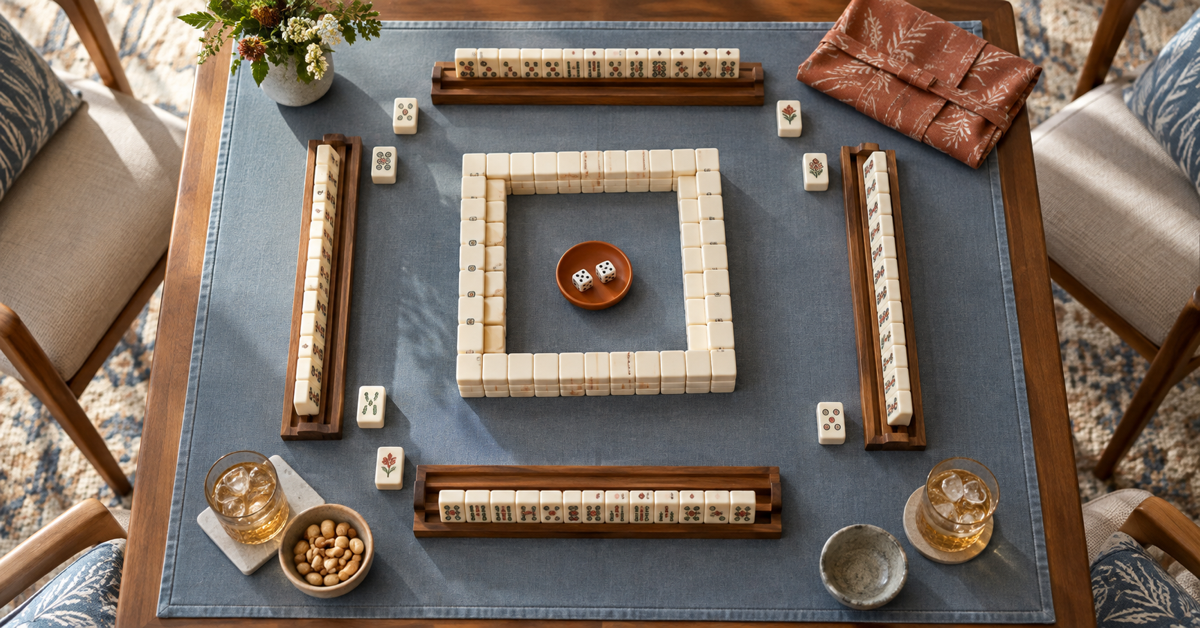
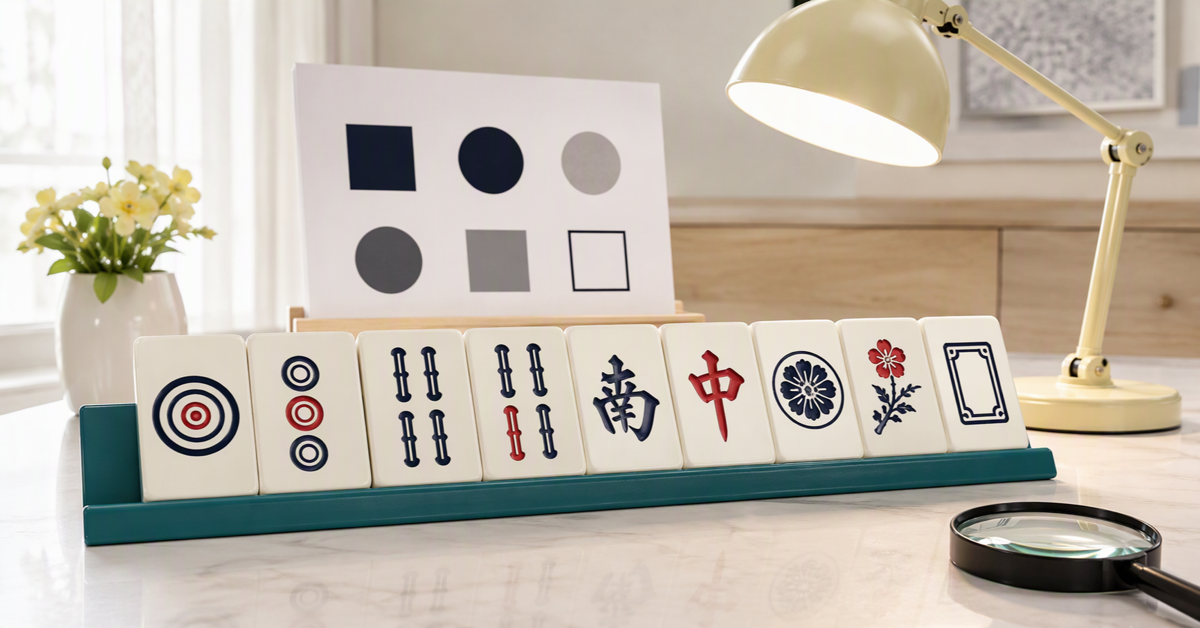
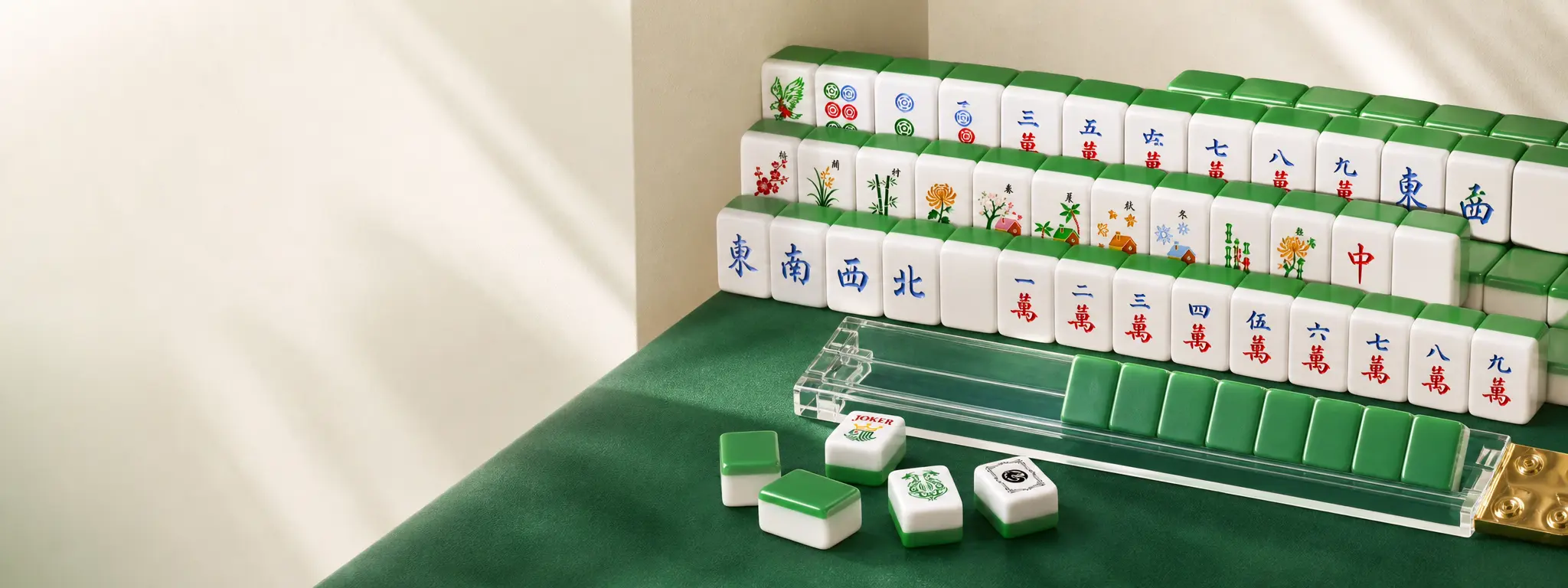
Look at the table under the light you actually use. Warm lamps can make some pinks appear softer, while cool LED light may emphasize blue. A glossy face can also reflect a window or overhead fixture. Ask for a full-row photo or sample, then view it at the distance of a normal game rather than judging a close-up on a phone.
Record three observations:
- Can you identify a suit without leaning forward?
- Does the back color remain even across the set?
- Does the rack and mat create enough contrast around the tile faces?
If the answer is no, the color is not ready for your table regardless of how attractive it looks online.
What a pink Mahjong set communicates
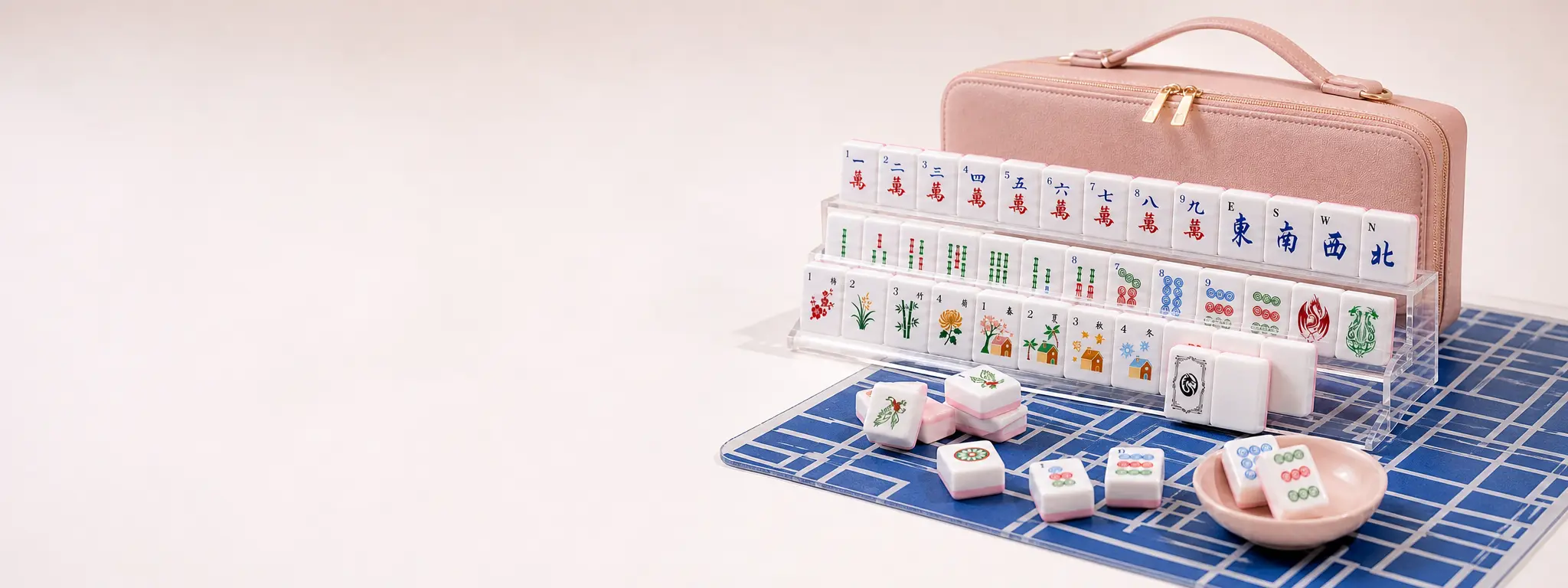
Pink is often chosen for a bright, friendly table. A soft pink can suit a casual home room, while a starlight or stronger pink can make the set feel like an occasion piece. The useful question is not whether pink is fashionable; it is whether the hue works with the printed face, the rack, and the room's lighting.
JOKKOL's pink and starlight pink directions can be compared with matching accessories so the table reads as one system. Check that the special tiles, especially Jokers and flowers, remain easy to spot when the rack is full.
What a blue Mahjong set communicates
Blue can give a table a cooler, calmer appearance and may contrast well with a pale mat or light tabletop. Darker blue backs can feel formal, while a lighter blue can look more playful. As with pink, the specific shade matters less than consistent color and face legibility.
Ask whether the blue sample has the same print clarity and surface finish as the other colorways. A color change should not quietly change the tile dimensions, rack fit, or care instructions.
Compare the two colors on practical criteria
Use a side-by-side test instead of choosing from memory:
| Check | Pink sample | Blue sample |
|---|---|---|
| Symbol contrast | Is each suit clear at normal distance? | Is each suit clear at normal distance? |
| Glare | Does the face reflect your main light? | Does the face reflect your main light? |
| Table contrast | Does the mat separate the faces from the background? | Does the mat separate the faces from the background? |
| Accessory match | Do racks and pushers support the color? | Do racks and pushers support the color? |
| Replacement plan | Can the same back color be matched later? | Can the same back color be matched later? |
| Personal preference | Would your group enjoy seeing it every week? | Would your group enjoy seeing it every week? |
This method is useful when a family wants one set for home and another for travel. Different colors make ownership clear, but only if the physical specifications remain compatible.
Use color to improve table organization
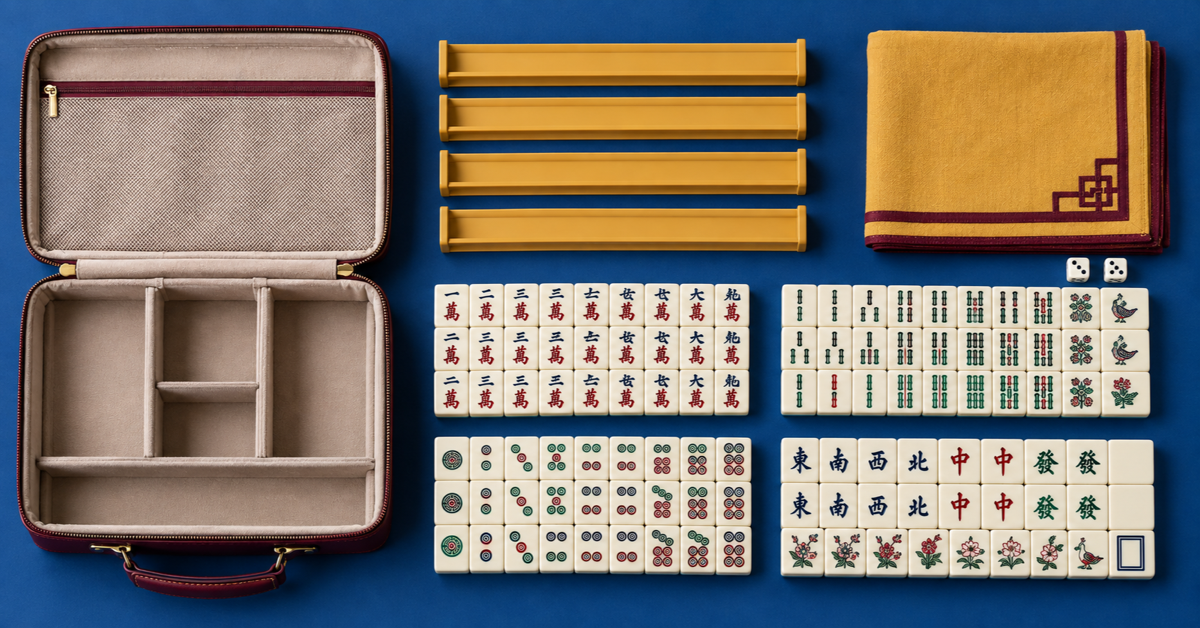
Color can help a host distinguish two sets, but it should not replace labels or an inventory. Add a small tag to the case, keep the rules reference with the correct edition, and store spare tiles with the set whose back they match. When a club owns multiple colors, record the case color and tile dimensions on the outside.
A colorful Mahjong set can also help a new player focus on the hand in front of them. Keep the teaching card and discard area neutral enough that the bright backs do not compete with the information being explained.
Check care and finish before you decide
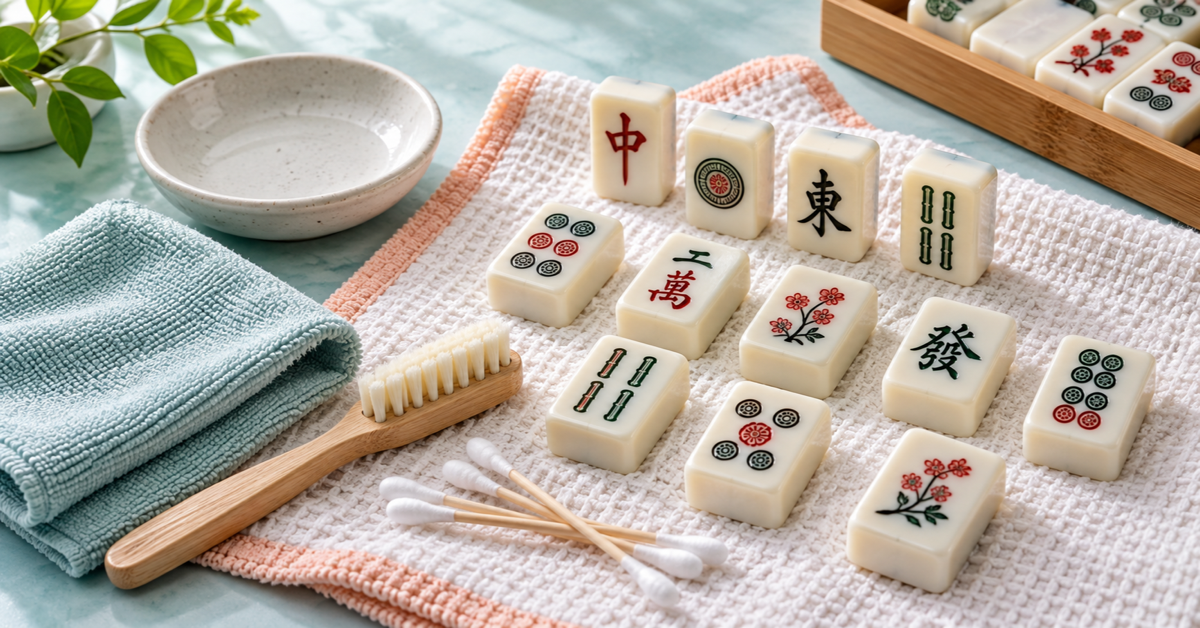
Ask how the printed faces should be cleaned, whether the surface is intended for ordinary wipe-downs, and how the tiles should be stored. Avoid assuming that two colors have identical care instructions just because they share a product name. A soft cloth, dry storage, and separation from loose metal objects are sensible starting habits.
If you use existing racks or pushers, compare the tile height, width, and depth with the new set. Color is visible on day one; a poor fit becomes annoying every turn. JOKKOL's coordinated Mahjong products make it easier to review the full table, while Contact us can clarify compatibility.
A quick decision rule
Choose pink when the room, group, and accessories benefit from a warm, expressive accent and the sample remains readable. Choose blue when a cooler palette gives better contrast with your table or makes a second set easy to identify. Choose neither until you have checked the actual sample, print clarity, and replacement path.
For a retail or private-label color project, send the preferred swatches and a full-table reference to JOKKOL Distribution. A documented sample review is more reliable than a color name alone.
FAQ
Is a pink Mahjong set harder to read than a blue one?
Not automatically. Readability depends on face contrast, print quality, glare, and lighting. Compare both samples at normal playing distance.
Which color is better for a colorful Mahjong set?
The better color is the one your group enjoys and can read comfortably. Pink, blue, green, yellow, and starlight pink can all work when the symbols stay clear.
Does changing back color change the rules?
No. Back color is a design choice. The tile format, current rules reference, and permitted use of special tiles still govern play.
Can I mix pink and blue Mahjong tiles?
Only when your game rules and set specifications allow it. Mixing back colors can make ownership and replacement tracking difficult, so confirm compatibility first.
How should I store a colorful Mahjong set?
Keep each colorway in its own labeled case or compartment, protect printed faces from abrasion, and record the set details for future replacements.